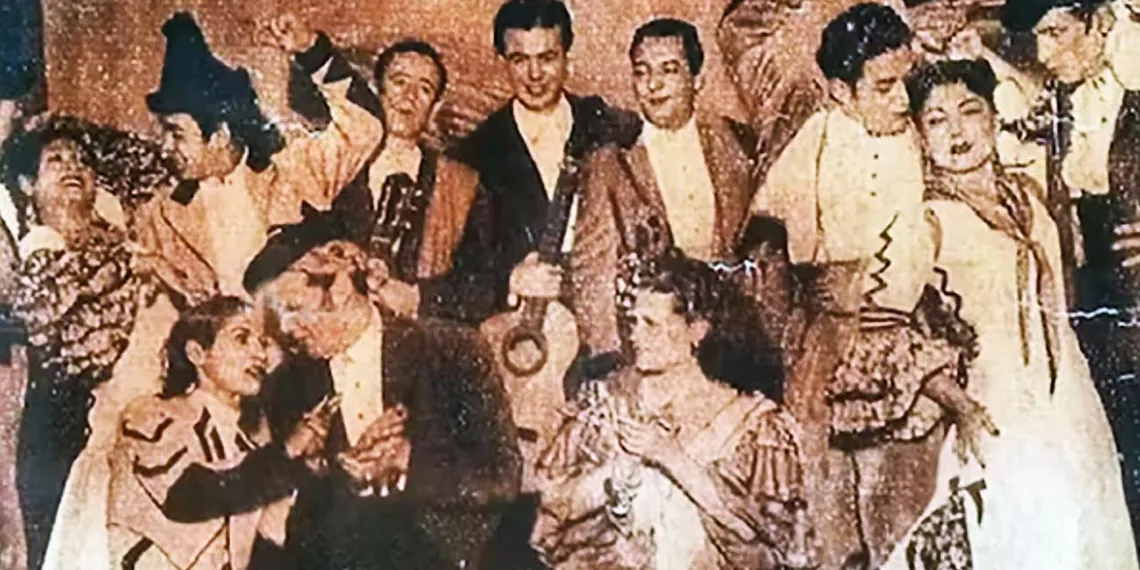
After the war there was a large community of Spanish exiles in Buenos Aires. There is talk of the company of Miguel Herrero y Carmelita Vázquez, Guitarist Esteban de Sanlúcar, Curro Terremoto dancer (brother of the Jerez-born flamenco singer Terremoto), Paco Ortiz flamenco singer from Malaga, You know and his brother Diego, the singer Miguel de Molina and many more.
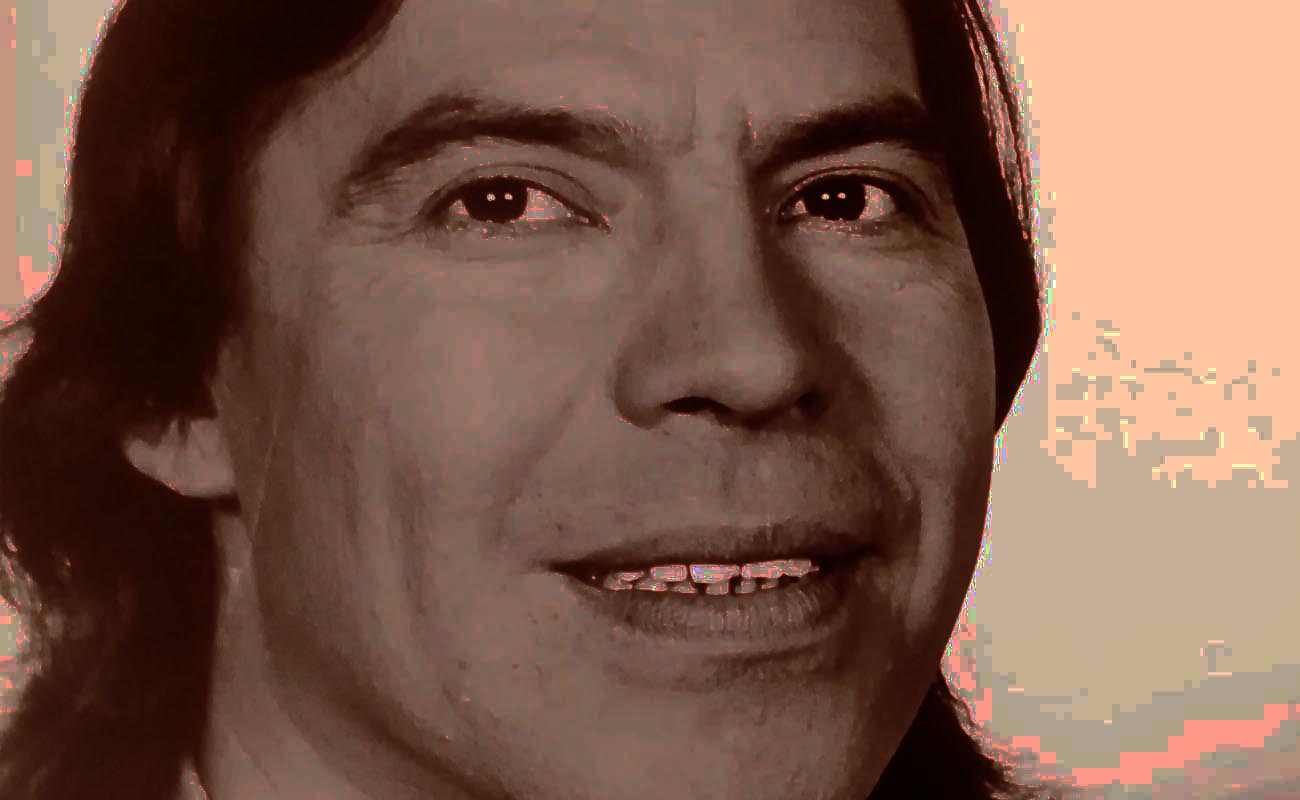
Jorge Luis Caviglia, nicknamed The Chinese For the flamenco community, this native Argentinian built an extensive career as a flamenco dancer, learning from the great artists with whom he associated. He was born on December 26, 1945, and is the father of the popular flamenco dancer. Adrian Galia, once the principal dancer of the companies of Cristina Hoyos placeholder image y Antonio gadesand collaborator with the teacher Enrique MorenteJorge Luis has had a brilliant, long, and successful career in flamenco dance. Tall and strong, he draws elegant lines with his body, a style of dance once popularized by Antonio the Dancer Or Antonio Gades and his followers who still set the standard for many. Jorge Luis and Conchi, his partner, have been principal dancers of the National Ballet of Spain, teachers, choreographers and dancers in Spain and Argentina.
A tall, powerful figure, he uses his body to create elegant lines, representing a style of dance popularized by figures like Antonio el Bailarín and Antonio Gades whose influence continues to set the standard for many of today’s dancers. Jorge Luis and Conchi, his partner, have been principal dancers with the National Ballet of Spain, as well as teachers, choreographers, and performers in both Spain and Argentina. Jorge Luis spoke to us from his home in Benidorm...
* I started dancing when I was just six years old. I first went to the academy of Lion Childwhich was in my neighborhood in Lanús, Buenos Aires Province. Several shows inspired me, like Romerías, when I saw people dancing Hurtado de Córdobawith more than thirty performers on stage. It was spectacular.
* Carmen amaya She never came to my neighborhood, but I frequented hers, around the National Congress and Avenida de Mayo. I met her entire real family, including guitarists like Pouty y ChocolateThey lived in hostels and boarding houses in the federal capital, except for Carmen.
* We used to see each other or interact at parties that were almost daily in flamenco clubs and theaters. Except that in the eighties, the family of the tarantos He began to spread his beliefs and made it possible by having his own church and worship, respecting the canons of the true flamenco.
"I trained as a dancer with the Pericet family. In my house, we lived to work, so we could see the shows that came from Spain. My mother adored the cante flamenco and Spanish folklore in general, and I, very close to her, shared it and enjoyed it."
* I trained by dancing with my family. PericetIn my house, we lived to work, so we could see the shows that came from Spain. My mother adored the cante flamenco and Spanish folklore in general, and I, very close to her, shared it and enjoyed it.
* The first group I formed was at the age of 16, we called it Iberian Trio, two men and a woman. Then I arrived at The Cortijeros, and when I was 20 years old I arrived in Mexico with Stephen of Sanlucar and my partner, where I changed my stage name to Luis Gaona The Chinese. Given all my concerns, I changed my way of dressing, respecting the air. flamencoA Mexican journalist and critic from a renowned newspaper, witnessing our debut, highlighted it in his laudatory commentary, "he is a protest dancer," because of the original way he treated the new flamenco in terms of costumes and rhythms.
* I got to work with international artists both within and outside my genre. I shared the stage with Sammy Davis y Dean MartinAnd with Mario Moreno Cantinflas (my artistic godfather). A great admirer of mine who came to see me at the opening of the Palma de Mallorca Casino was Cassius Clay.
"The flamenco He travels the world alone, so we shouldn't allow a few misinformed people to distort his image by seeking to be the best! I ask you, through these words, to return to what is authentic and let those who love him continue to cherish it without losing their roots. I love the dance, the playing, and the cante»
* During the years 1968 and 1969, in a super program on Mexican television, I danced and accompanied the artist Gina lollobrigida, singing her favorite song in Spanish, making it a truly remarkable fusion event cante and dance. I worked with Esteban de Sanlúcar for two consecutive years without stopping. We started in Buenos Aires, then Uruguay, Peru, and all of Central America for a year. In those years in South America there was a lot of interest in the flamenco and everything Spanish. In Panama we work with Olga Guillot y Carmen Seville with Augusto Alguero at the Panama Hilton, then on to Mexico to finish the tour and say goodbye in Puerto Rico. Esteban returned to Venezuela and I came to Spain, where I started a close and wonderful family, and my first ballet with Conchita Spain.
* El flamenco He travels the world alone, so we shouldn't allow a few misinformed people to distort his image by seeking to be the best! I ask you, through these words, to return to what is authentic and let those who love him continue to cherish it without losing their roots. I love the dance, the playing, and the canteTherefore, I'm stating it as such. A huge hug.